We utilize essential cookies to ensure our website operates effectively and remains secure. Additionally, we'd like to request your permission to use optional cookies. These are intended to enhance your browsing experience by offering personalized content, displaying advertisements that are relevant to you, and helping us to further refine our website.
Choose "Accept all cookies" to agree to the use of both essential and optional cookies. Alternatively, select "Let me see" to customize your preferences.
Privacy Preference Centre
Our website utilizes cookies to enhance your browsing experience and to present you with content tailored to your preferences on this device and browser. Below, you will find detailed information about the function of cookies, enabling you to make informed choices about which cookies you wish to accept. Please note that disabling certain cookies might impact your user experience on our site. It's important to remember that cookie preferences need to be set individually for each device and browser you use. Clearing your browser's cache may also remove your cookie settings. You have the freedom to modify your cookie preferences at any point in the future.
For a comprehensive understanding of our use of cookies, please refer to our complete cookies policy.
These cookies are needed for the website to work and for us to fulfil our contractual obligations. This means they can't be switched off. They enable essential functionality such as security, accessibility and live chat support. They also help us to detect and prevent fraud. You can set your browser to block or alert you about these cookies, but it means some parts of the site won't work.
Performance and Analytics
These cookies allow us to measure and improve the performance of our site. They help us to know how popular pages are, and to see how visitors move around the site. If you don't allow these cookies, we won't know when you've visited our site, and we won't be able to monitor its performance.
Functional
These cookies enable us to provide enhanced functionality and personalisation. They may be set by us or by third party providers whose services we've added to our pages. If you don't allow these cookies, some or all of these services may not work properly.
Advertising
These cookies collect information about your browsing habits to show you personalised adverts. They may be used to build a profile of your interests and show you relevant adverts on other sites. They don't store directly personal information, but are based on uniquely identifying your browser and internet device. If you don't allow these cookies, the adverts you see will be less relevant.
If you run a lighting retail shop, you’re bound to have customers asking all sorts of questions about LED bulbs. Despite being available commercially for quite some time now, there are still a lot of frequently asked questions, misconceptions, or confusion about LED bulbs.
In this blog, we answer some common customer questions about LED bulbs.
LED Lightbulbs – Why We Love Them!
From spotlights to strip lights, fancy decorative lamps and bulbs, and fairy lights, LED lamps and bulbs are now becoming the most popular choice for homeowners, especially as we’re seeing older, less efficient bulbs phased out.
LED lights have come a long way since their invention in the early 20th century. It wasn’t until the early 2000s that LED light bulbs became available for homeowners (costing a pretty penny too!) and then became more popular in commercial buildings.
Thankfully, the cost of LED bulbs is now much more sensible, and there are tonnes of styles to choose from. You may still have some questions though…read on for our answers to commonly asked LED bulb questions.
Do LED Light Bulbs Get Hot?
Yes…and no. Well, at least nowhere near as hot as halogen or incandescent bulbs. LED bulbs work completely differently from older bulbs, and you may have noticed that the bulb part itself is cool to the touch, even when a light is in use. That is because the heat generated is at the base of the bulb – where the components that make it work are located. So long as you buy good quality LEDs and use them in the correct type of light, you don’t need to worry about LED light getting too hot.
Do LED Lights Take Time To Reach Full Brightness?
No. Or at least they shouldn’t! LED bulbs, just like halogen and incandescent bulbs reach their full brightness as soon as you turn them on. What you may be thinking of here is the early or older style energy-saving light bulbs that did need a little bit of time to get bright. There are no similar issues with LED lights.
Are LED Bulbs Better For The Environment?
Certainly. And it’s one of the main reasons you may want to use them. They use a lot less energy than incandescent or halogen bulbs and if you’re using less electricity to power your light bulbs, you’re doing the planet a favour. Because LED lightbulbs also last a lot longer than other bulbs, you’re putting less product into landfills. LED lights don’t contain chemicals that are harmful to the environment either, like mercury.
Do LED Bulbs Save You Money?
Again, another very good reason to buy LED light bulbs is the money they will save you. According to Save Money Cut Carbon, LED lightbulbs are ten times more efficient than bulbs they replace, and:
“Our research shows that while it costs around £25 to run an old 60-watt incandescent light bulb for 10 hours a day for a year, the cost for an LED bulb is a little over £1.50 a year.”
As you can see, that’s a significant amount of money per bulb! Yes, LED bulbs are more expensive to buy initially, but even with the higher cost, you would still save on your energy bills. The price of LED bulbs continues to come down too.
Can You Get Dimmable LED Light Bulbs?
Yes, you can buy dimmable LED bulbs – we stock serval types ourselves! However, you need to make sure the dimmable bulb is compatible with the type of dimmable switch you have. Check the manufacturer’s instructions for more details.
Will An LED Bulb Fit My Existing Lights?
They should do yes – most LED light bulbs are designed to retrofit existing lights. The most commonly found fittings are bayonet (B22) or Edison screw (E27) ones, and LED bulbs can pop right into these.
Can I Use LED Lights Outside
Yes! There are now LED lights available for outdoors – just make sure you check they are IP44 rated and fully splashproof to protect against the elements like our Arizona LED outdoor wall lights are.
Decorative LED Lightbulbs
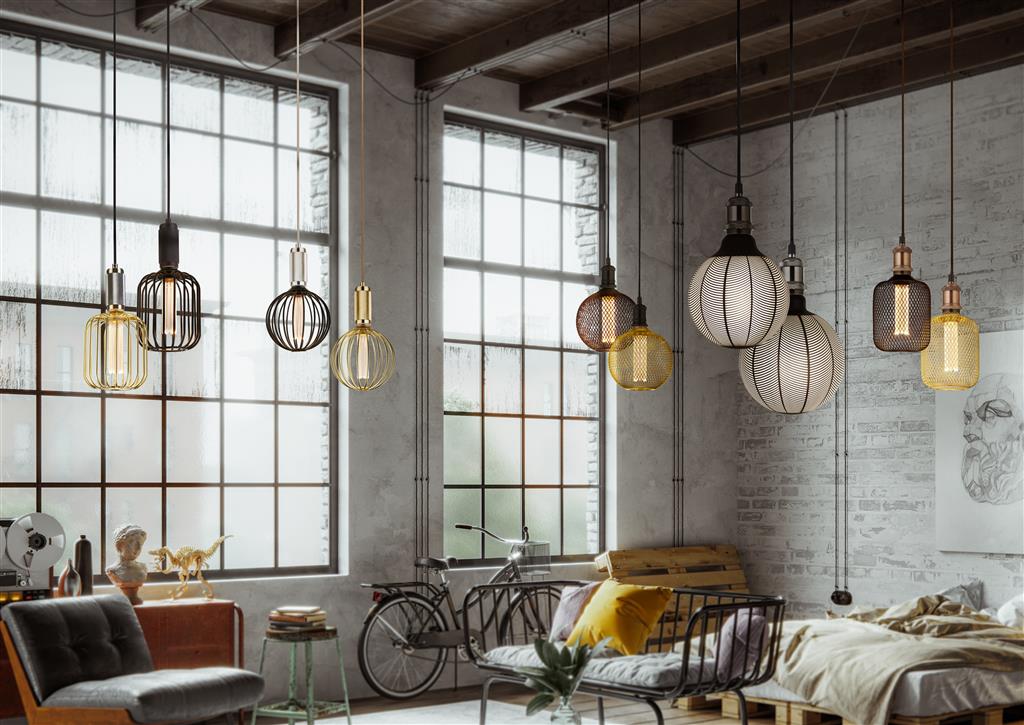
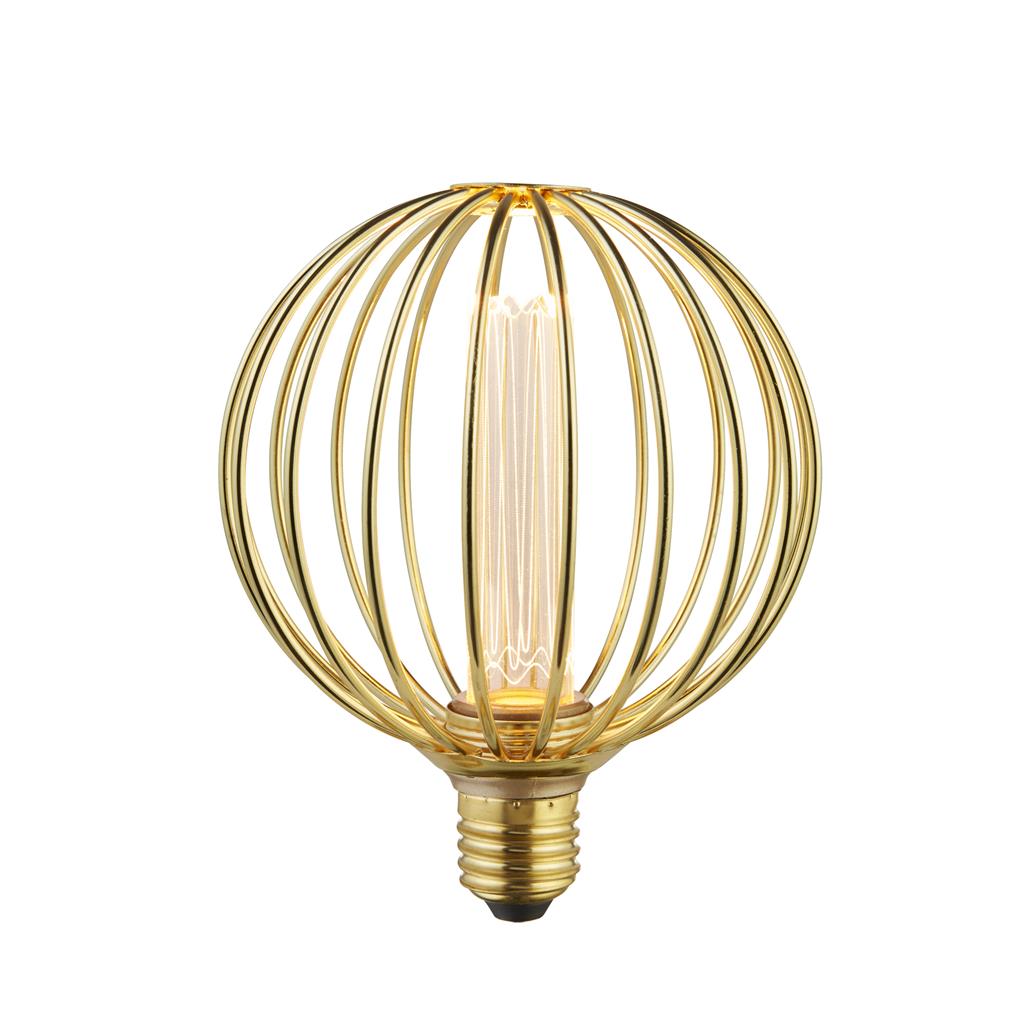
There is a huge range of LED light bulbs on the market now, from humble plain ones to super fancy caged ones that make stunning features in your home.
From dimmable to test tube-style lights, we stock a wide range of LED lightbulbs that are all designed to save you money.
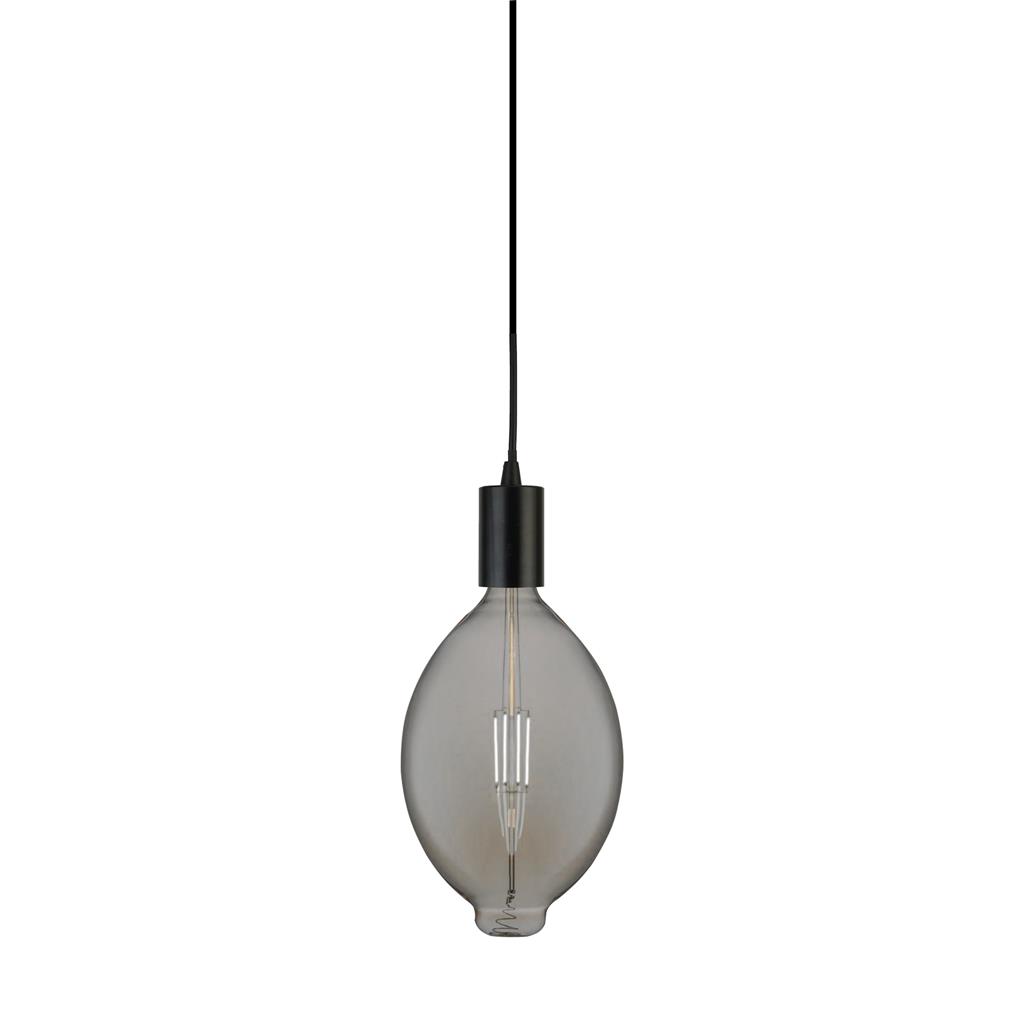
If you have lights with exposed bulbs, we have an excellent range of fancy light bulbs – from smoked glass to giant balloon bulbs.


 LED Lightbulbs – Why We Love Them!