Architectural Lighting Explained
You know that feeling when you walk into a room, whether it’s in an old manor house or hotel foyer, and you just feel expensive... And you immediately ask yourself why you’re not wearing a white linen two-piece and sunglasses inside.
You can’t quite put your finger on why. What is it about this room in particular that makes you feel this way? Mona Lisa isn’t hung on the wall; the furniture isn’t designed by Versace; the walls aren’t covered in marble.
Yet, the room feels balanced. Carefully considered. Understated Elegance.
There’s an invisible backbone to quiet luxury, and that’s architectural lighting.
When it’s done right, architectural lighting doesn’t demand attention. Working away in the background, it shapes the way a space looks, feels, and functions.
It’s Less About The Fitting Itself
As designers and wholesalers of decorative lights, the last thing you can imagine us saying is ‘fittings come last’.
Well, in this case, it’s sort of true.
For most people, when you discuss lighting in interior design, the first thing they think about is the style of fitting. Wall sconces above the bed. A statement floor lamp in the corner of the living room. A long pendant hung over the dining table.
Architectural lighting flips that way of thinking on its head.
Instead of fixating on the style of lighting, ‘oooh I wonder if a chrome flush fitting would look here’, designers consider what they would like people to notice first in a room.
It could be a beautiful, textured wall they’re trying to accentuate. A show-stopping grand staircase or kitchen island that must be lit for practical use. Or they lead with the feeling they want to create: calmness, comfort, a sense of welcome.
In this design method, lighting is there to support the architecture, not compete with it.
Some Of The Best Lighting Is Often Unnoticeable
Again, we feel we need to preface: we’re big fans of statement lighting. But if you couldn’t tell already, architectural lighting is far more understated. Sometimes, the most effective lighting schemes are ones you barely notice.
What we mean by that is there are ways to manipulate light with smaller, hidden fixtures to create a big impact, but take none of the glory.
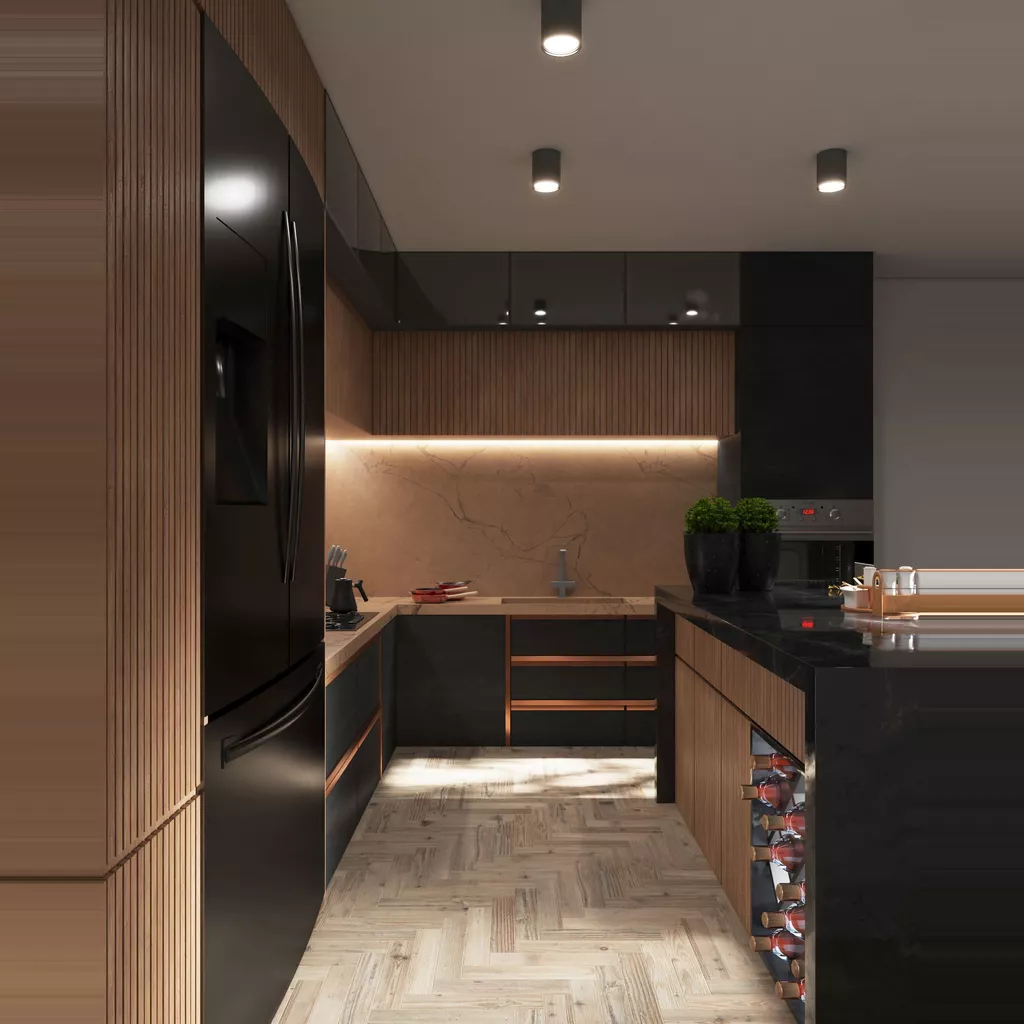
A simple example would be LED strips tucked beneath kitchen cabinets. Or recessed downlights that disappear into the ceiling. Or an example we always use, which is a hidden spotlight accentuating architectural design details.
It’s all about cascading light over a prominent feature to emphasise its appeal. Instead of drawing your attention to the light source, you’re focusing on other elements in the space.
Layering Light Is The Key
You might have read up to this point in the article and assumed that architectural lighting simply means adding more light. We hate to name and shame you, but this is not the case.
In fact, it’s the opposite.
Designers are constantly utilising different layers of light to create depth, rather than flooding the whole room with enough lumens to simulate the sun (lighting joke, wink wink, nudge nudge).
Ambient light helps you move comfortably through a space (this is usually the main source). Task lighting makes practical jobs easier (kitchen counter lights for chopping, for example). And accent lighting illuminates the little details that deserve attention.
When you put all three together, you create a room that feels balanced. Carefully considered. Just like what we described at the start of this blog.
Think About How You Want To Live
The best lighting plans don’t start with Pinterest boards (no offence to Pinterest). They start with people.
One of the first steps in creating an integrated lighting plan is to consider how people will exist in the space.
Have you thought about asking -
The answers to those questions shape what your lighting plan should be more than any online trend ever could.
Homes, hotels, restaurants, shopping centres, offices, and so on aren’t designed around the furniture inside them. They’re built for everyday life.
Less Is More
After reading this blog, you might be tempted to go on a spotlight shopping spree.
You add one to uplight a column. Another to highlight the inside of an archway. Another to cast shadows through open-riser staircases.
The next thing you know, there are so many spotlights it’s starting to feel like a Coldplay concert.
We recommend a more restrained approach when it comes to architectural lighting. Oftentimes, one carefully positioned light can be more impactful than six.
Remember: Focal points are fundamental in interior design.
Searchlight's Architectural Lighting Product Pack
Here are three products that are perfect for creating layered lighting schemes, highlighting architectural features and adding those subtle finishing touches that make all the difference.
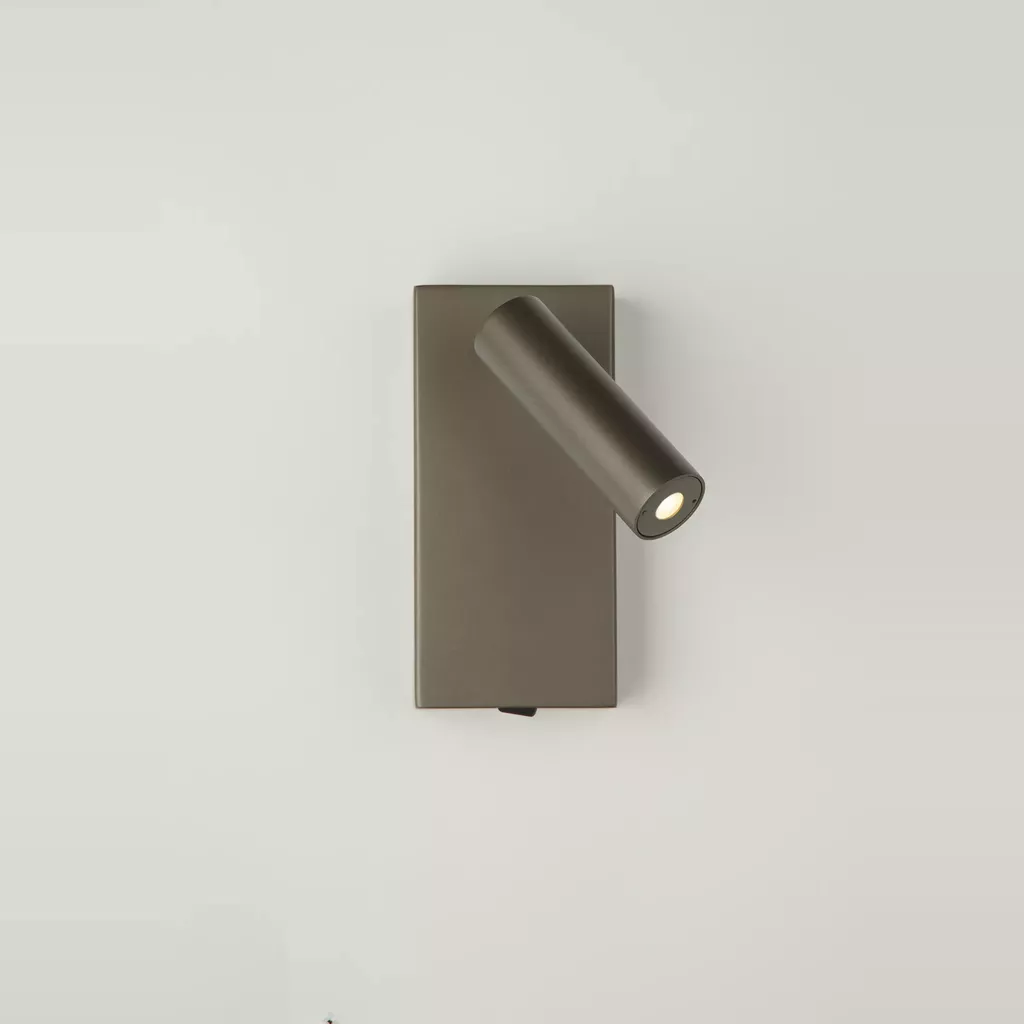
Victoria LED 1W 3000K Wall Light
The Victoria LED Wall Light is designed to deliver a soft, warm glow exactly where you need it. Its compact design makes it ideal for creating subtle accent lighting without distracting from the architecture around it.
Perfect for:
- Highlighting textured walls and feature surfaces
- Framing staircases and corridors
- Creating a warm, welcoming atmosphere
- Drawing attention to architectural details without overpowering them
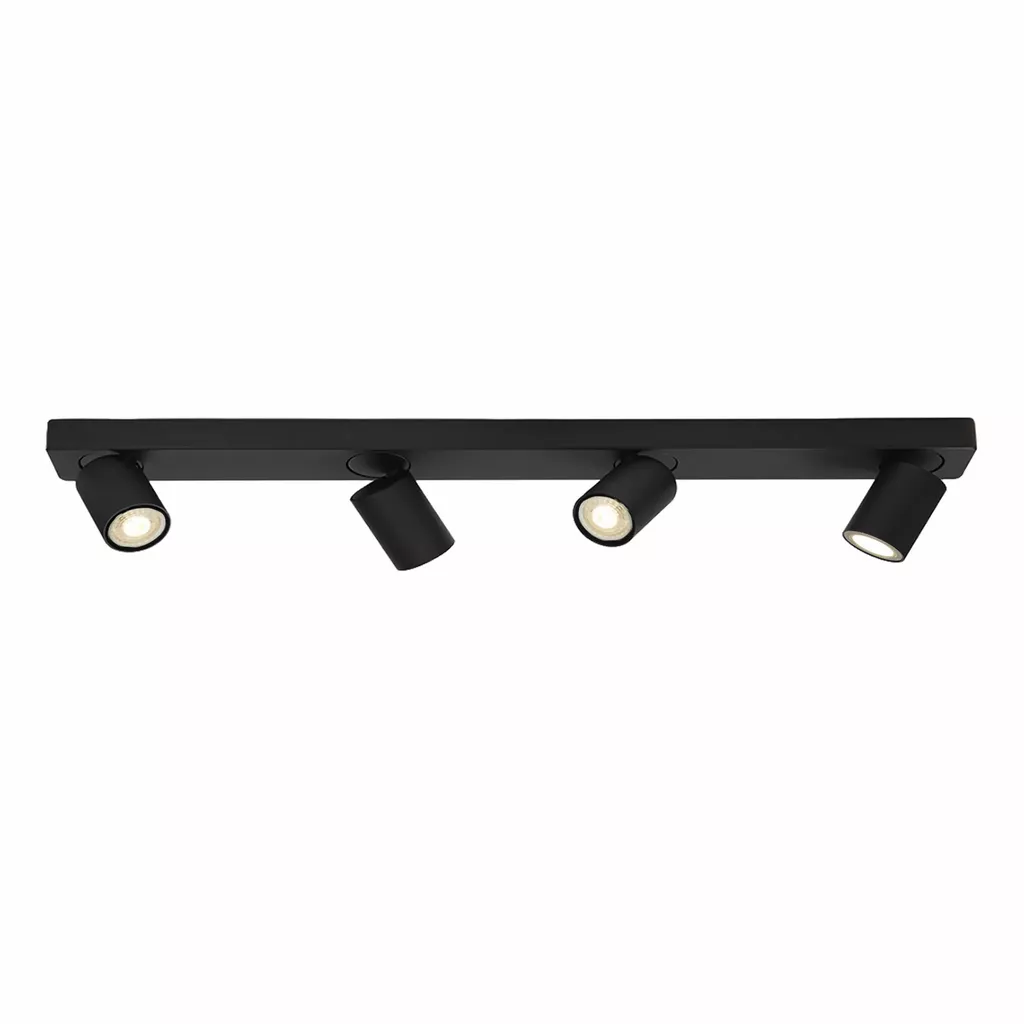
Moon 4 GU10 Spotlight
The Moon 4 Spotlight proves that practical lighting doesn't have to be boring. With four adjustable heads, you can direct light exactly where it's needed, whether that's a kitchen island, artwork, shelving or a feature wall.
Perfect for:
- Illuminating kitchen islands and worktops
- Highlighting artwork, shelving and statement features
- Creating multiple focal points in open-plan interiors
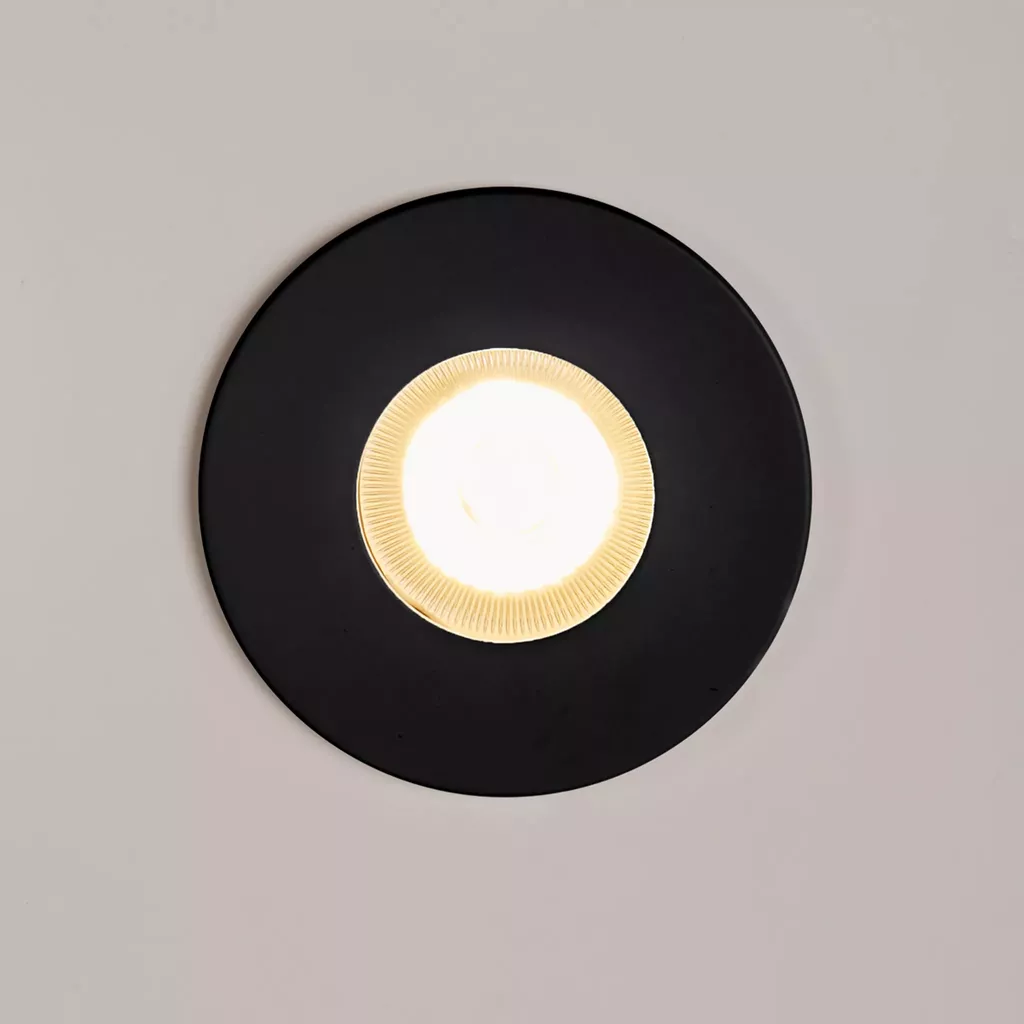
Sophie IP65 Recessed Soffit Light
The Sophie Soffit Light sits neatly within the ceiling, allowing the light itself to do all the talking.
Perfect for:
- Creating discreet lighting that blends into the architecture
- Illuminating entranceways and covered outdoor areas
- Bathrooms and other spaces where an IP65 rating is required
- Delivering clean, understated lighting that complements any design scheme
The Main Takeaway
If you think of statement lighting as the diamond jewellery of a room, architectural lighting is the tailoring.
As we said before, it’s about understated elegance. You might not notice it straight away, but blimey does it make a difference.
At Searchlight Electric, our award-winning, in-house designers deliver over 400 new, innovative products year on year. Market and trend research, product development and creative in-house design are at the heart of our product expertise.
We know that show-stopping lighting is about more than just impressive chandeliers and staggering pendants (though they are fab). It’s about shaping spaces that feel comfortable, functional, and effortlessly welcoming.
You might not always remember a colour scheme or the details on the furniture, but you will remember how a room made you feel.
For trade lighting support and trade access to over 3000 high-quality products, please reach out to our friendly customer support team today.