The Lighting Categories Customers Shop Together: Building Collections That Encourage Multiple Purchases
Retail buyers, showroom managers, category managers, or whoever is responsible for sourcing and selecting lighting products for your business, should be asking this question:
When someone buys this, what else are they going to need?
We're not saying it never happens, but generally, customers rarely think about lighting as one isolated product.
We constantly talk about lighting design, collections, layered lighting, architectural lighting, etc. These are no longer 'industry terms'. Consumers know more, and in knowing more, they're entering showrooms with a plan.
This is why a well-planned lighting collection can really earn its keep.
So, back to that initial question. For retailers and trade buyers, it’s not as simple as ‘well, we have more products and range, therefore we’re the best’. It’s about selling products that make sense together, and essentially, doing the customer's job for them.
Ceiling Lights And Wall Lights
This is probably one of the most natural pairings.
Everyone knows they need a ceiling fixture, offering ambient light, but nowadays you hear people say, ‘turn the big light off’. This is where wall lights come in handy, offering a softer glow, but still ample lighting.
It’s the difference between a ‘nice’ living room and a living room that sets the mood.
Your ceiling lighting collection offers you the opportunity to sell wall lights alongside it.
Take the Monarch 10Lt Pendant. It’s certainly capable of creating impact on its own. But with matching Monarch 2Lt Wall Lights, it gives customers a straightforward way to carry the same finish and design language around the room.
Yes, okay, it’s technically an ‘upsell’. But in reality, you’re helping someone complete their aesthetic. Everyone wins.
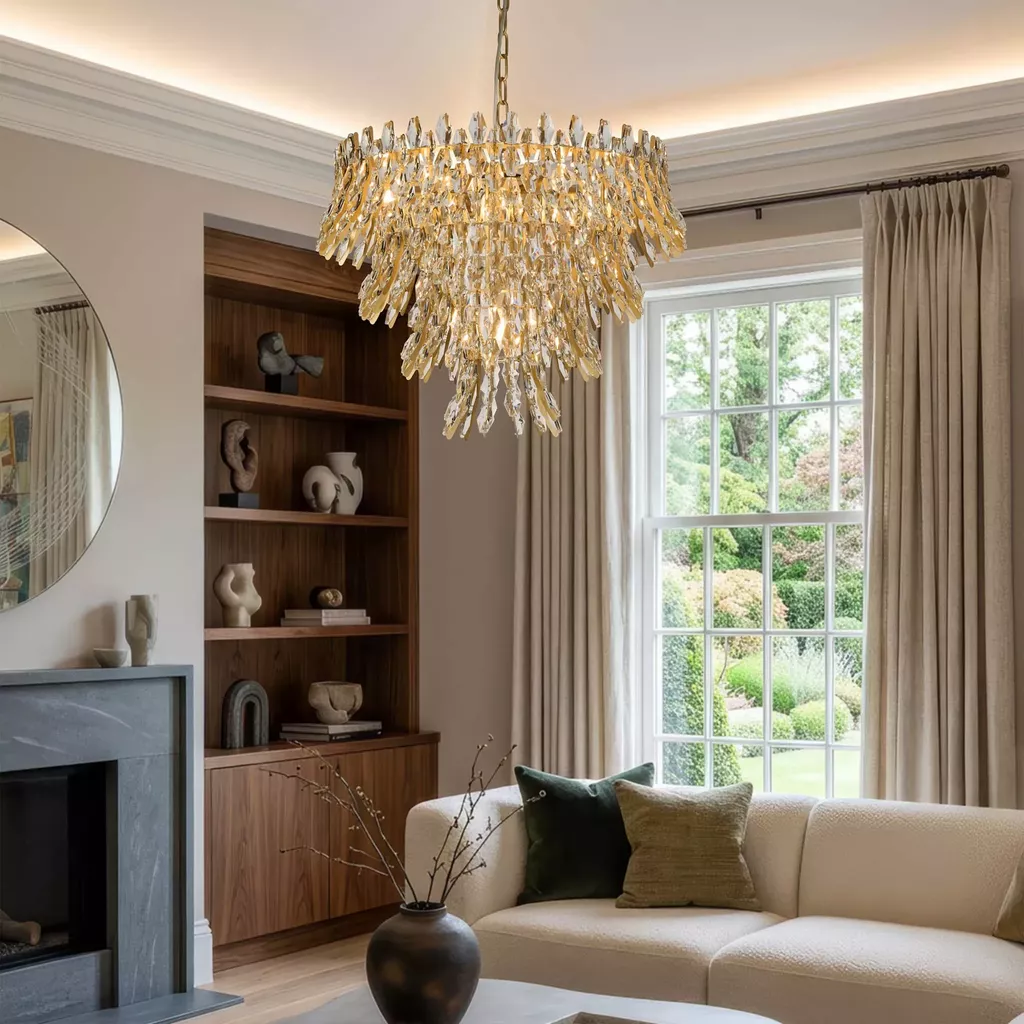
Pendants And Table Lamps
Two of the easiest sales you can probably make as a lighting retailer are pendants and table lamps.
Pendants because they offer that WOW factor. Table lamps because they bring everything together.
Statement pendants are typically the main focal point in a room, while lamps offer softer pools of light, accentuating darker corners.
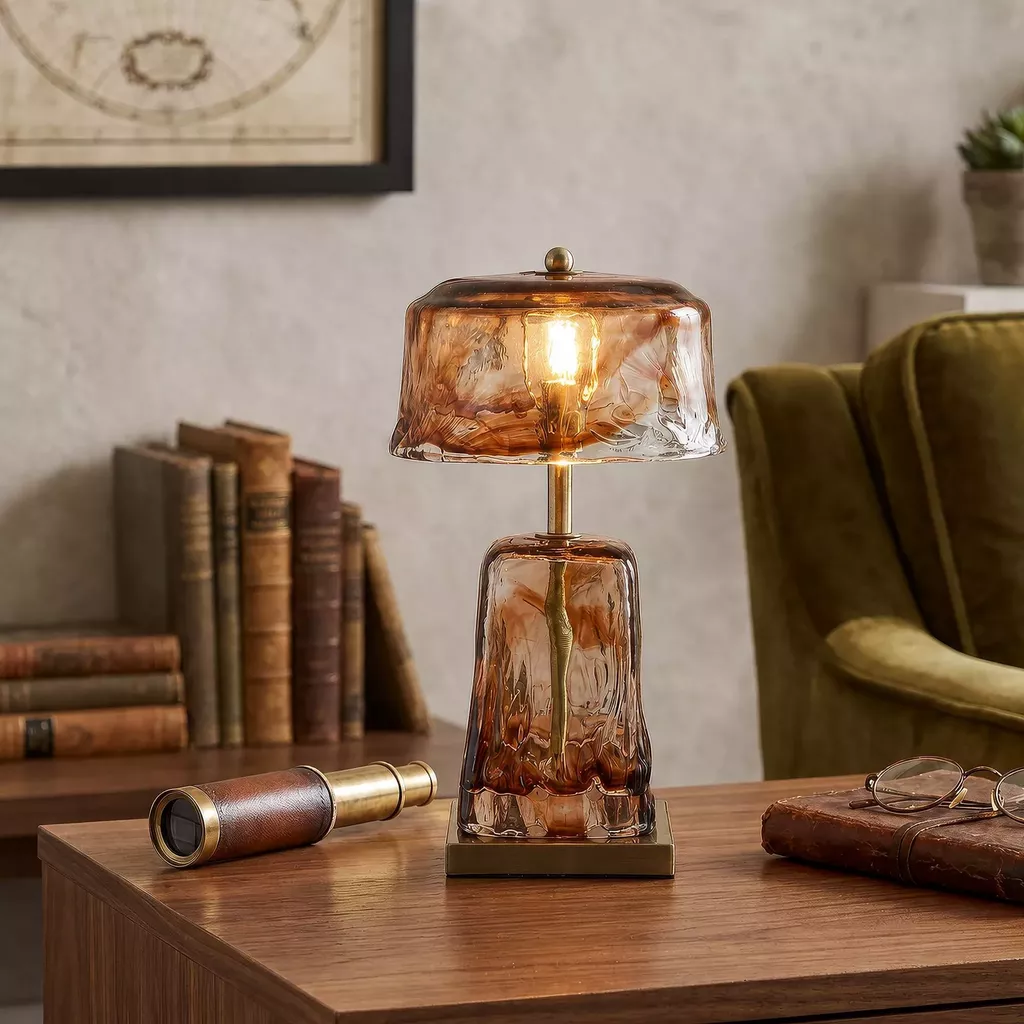
Our Table Lamp in Brown Milky Glass with Antique Brass is a great example of how a product can complement a wider decorative scheme without competing with it.
For showroom managers, displaying these products together makes the connection obvious. Customers don’t need to imagine what could or might go together. You’ve already done the thinking for them.
Floor Lamps And Table Lamps
Picture the cosiest living room. What does it have? A roaring fireplace, massive blankets, cushions on top of cushions, and dim, warm lighting, solely provided by table and floor lamps and fire embers.
Sounds dreamy.
Now you can make your customers' dreams a reality.
Floor lamps introduce height and illumination in a larger area, while table lamps create a more intimate pool of light, jazzing up a side table, console, or shelving unit.
It also gives customers decorative lighting options at different price points, not forgetting the cost-of-living crisis we find ourselves in.
They might not buy both fittings today. But when presented as part of a collection, you’ve given them a solid reason to come back.
Matching Finishes
Lighting fixtures don’t need to be ‘identical’ to be a collection. They don’t even need to be from the exact same range to go together visually.
And not every customer will want the ‘matchy matchy’ look anyway.
In fact, ‘cluttercore’ is very much in.
What people are looking for is a connection, whether it be a repeated brass finish, a similar glass detailing, or a shared shape or material.
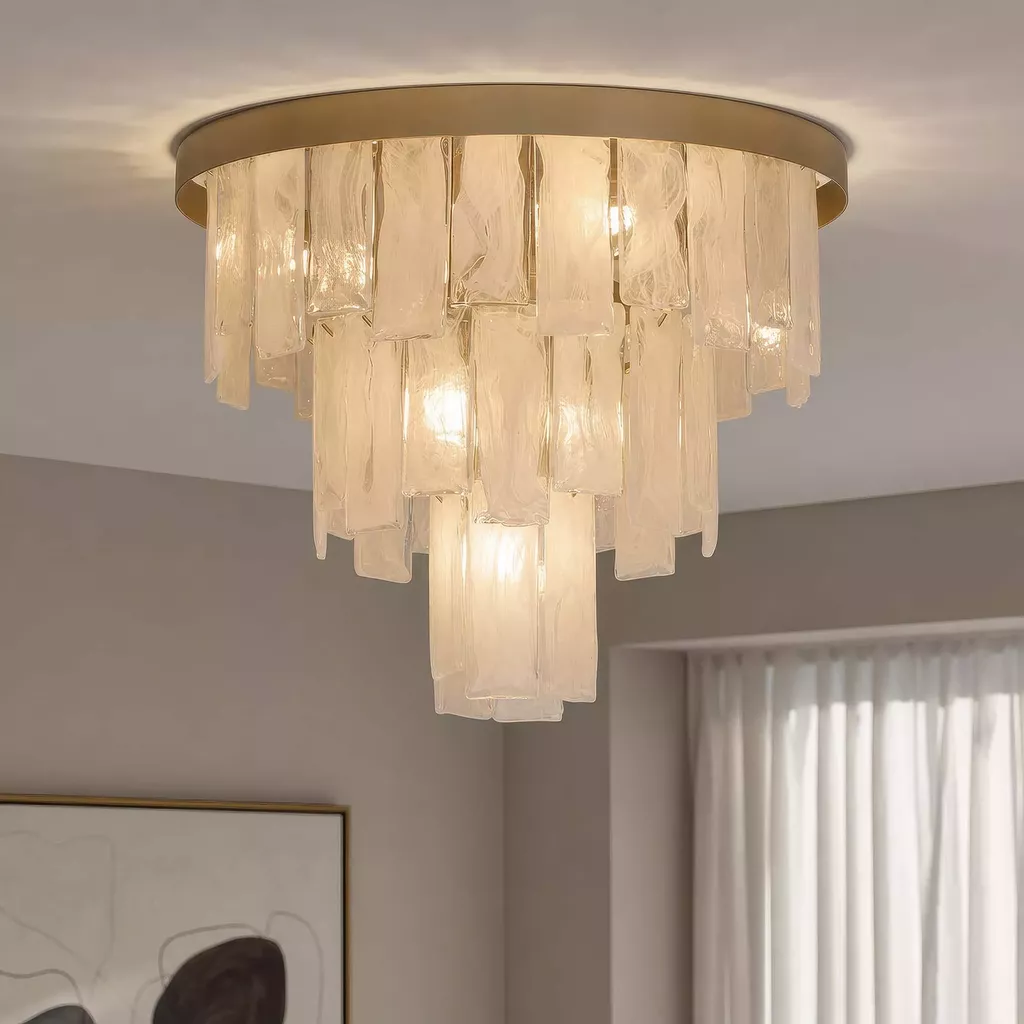
For example, the Formalux 6Lt Flush in Soft Gold with Milky Glass could work alongside softer gold or brass table and wall lighting, giving your customers a starting point to build a cohesive scheme.
You have the freedom to be creative here. And while customers love a trend, originality is what really stands out nowadays.
Build A Lighting Collection That Encourages Multiple Purchases With Searchlight
The best lighting retailers aren’t necessarily the biggest ones.
They’re the ones that provide well-thought-out collections that make sense.
From ceiling and wall lights to pendants and lamps, Searchlight's ranges are designed to work together, so your customers can complete the look, and you can make the most of every sale.
Explore the collections available on our website here. Alternatively, register for a trade account by contacting us today.
FAQs
What types of lighting should you have in a living room?
Most living rooms work best with three layers: ambient, task and accent lighting. In practice, that's a ceiling light or pendant for general light, table and floor lamps for reading and softer pools of light, and wall lights for atmosphere. For retailers, this is the easiest way to explain why customers rarely need just one fitting.
Do all the lights in a room need to match?
No. Lights don't need to be identical to look cohesive. A shared finish, such as brass or soft gold, a similar glass detail or a repeated shape is usually enough to tie a scheme together. Mixing ranges can look more original than a fully matched set, and gives customers more freedom to build a room over time.
Should wall lights match the ceiling light?
They don't have to, but matching them is the simplest way to get a polished result. A pendant and wall lights from the same range carry one design language around the room. If customers prefer a more eclectic look, a matching finish is enough to keep it connected.
How do you mix table lamps and floor lamps in a room?
Use floor lamps to add height and light to larger areas, such as beside a sofa or in a corner. Use table lamps for more intimate pools of light on side tables, consoles or shelving. Keeping the finish or material consistent helps them look like a collection, even at different heights and price points.